
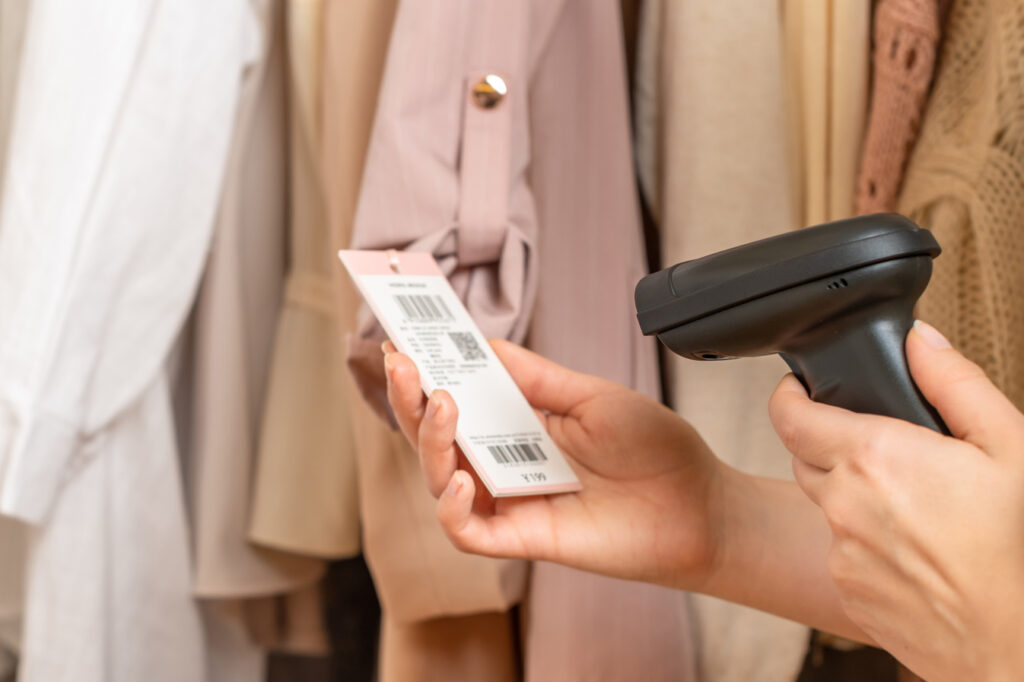
Retail environments demand speed, accuracy, and consistency—especially when it comes to pricing and product identification.
How Do Labels Improve Retail Efficiency?
Retail labels help improve operational efficiency by providing clear, accurate product, pricing and inventory information throughout the retail environment. Barcode and product identification labels can support inventory tracking, pricing accuracy, stock management and faster product identification while helping retailers reduce manual errors and maintain consistent information.
When integrated into inventory and point-of-sale workflows, barcode and product identification labels can help connect physical products with digital inventory information.
Smart labeling solutions play a vital role in improving retail efficiency. From shelf labels to dynamic pricing tags, these systems help ensure that product information is always accurate and up to date.
Digital labeling technologies also reduce the need for manual updates, saving time and minimizing errors. In addition, they enable retailers to respond quickly to promotions, stock changes, and pricing strategies.
Improve Product Identification — Clear product and barcode labels help employees quickly identify products throughout receiving, stocking, inventory management and checkout.
Support Pricing Accuracy — Accurate labeling helps communicate product and pricing information consistently and can support retail pricing and POS workflows.
Increase Inventory Visibility — Scannable labels can connect physical products with inventory systems, helping retailers maintain more accurate stock information.
Improve Operational Efficiency — Standardized labeling can reduce manual identification, improve scanning and help products move more efficiently through retail operations.
When combined with inventory systems, smart labeling provides better control over stock levels and reduces discrepancies between physical and digital records.
How Do Barcode Labels Support Retail Inventory Management?
Barcode labels give retailers a scannable method for identifying products and connecting them with inventory data. Barcode scanning can support receiving, stocking, inventory counts, order fulfillment and checkout while helping reduce reliance on manual product identification.
Retailers that adopt these solutions can improve operational performance, enhance the shopping experience, and stay competitive in a fast-paced market.
Discover which Iconex labels are right for your retail operations.
FAQs
What are retail labels used for?
Retail labels can support product identification, pricing, inventory management, barcode scanning, stocking, fulfillment and other retail workflows.
How do barcode labels improve retail inventory accuracy?
Barcode labels provide a scannable product identifier that can connect physical inventory with digital inventory systems, supporting more accurate tracking and stock management.
How do labels support retail pricing accuracy?
Labels communicate product and pricing information and can support consistent identification across shelves, products and point-of-sale workflows.
Where are labels used in retail operations?
Labels can be used throughout receiving, inventory management, stocking, product identification, pricing, order fulfillment and checkout.
How can retail labels improve operational efficiency?
Clear, standardized and scannable labels can reduce manual product identification, improve accuracy and help employees move products more efficiently through retail workflows.